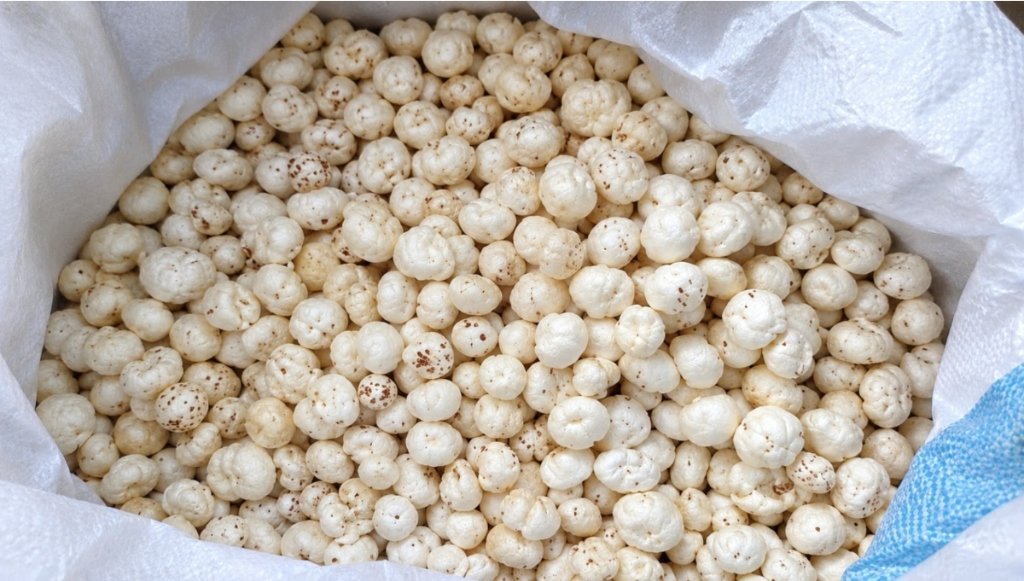

With the United States, United Kingdom, Canada, UAE, and Australia emerging as high-growth export destinations for healthy plant-based snacks, Indian processors are seeing unprecedented international RFQ demand. Here is the exact export execution playbook.
1. Harmonized System (HS) Code Classification
Correct customs classification is critical to avoid port delays and tariff miscalculations:
- HS Code 1904 10 90: "Prepared foods obtained by the swelling or roasting of cereals or cereal products (Including Popped Fox Nuts / Phool Makhana)". This is the internationally recognized primary export tariff line.
- HS Code 2008 19 00: Secondary classification used by select food customs brokers for raw unroasted edible seeds.
2. Mandatory Regulatory Compliance Checklist
Every commercial container shipment exiting Indian ports (Kolkata Port, Haldia, or JNPT Mumbai) requires:
- APEDA Registration-cum-Membership Certificate (RCMC): Makhana falls under APEDA's processed food schedule. Processors must maintain valid RCMC credentials.
- Phytosanitary Certificate (Plant Quarantine): Verifies absence of live insect infestation, weed seeds, or fungal mold.
- Certificate of Origin (COO): Enables preferential tariff treatments under bilateral trade treaties (e.g., India-UAE CEPA).
- US FDA Facility Registration & Prior Notice: For shipments destined for North America, the Bihar processing and packaging plant must possess a valid US FDA registration number.
3. Ocean Container Stuffing & Volumetric Limits
Because popped makhana has exceptionally low bulk density (approx 65 - 80 grams per liter), container loading is volume-governed rather than weight-governed:
| Container Type | Usable Volume (CBM) | Standard 25kg HDPE Bags | Total Net Weight |
|---|---|---|---|
| 20 FT Standard Container | ~28 - 30 CBM | 120 - 140 Bags | 3.0 - 3.5 Metric Tons |
| 40 FT High Cube (HQ) | ~68 - 72 CBM | 280 - 320 Bags | 7.0 - 8.0 Metric Tons |
Crucial Moisture Protocol: Ocean transit from Kolkata or JNPT through tropical sea lanes to Houston, Rotterdam, or Jebel Ali requires container desiccants (calcium chloride hanging bags) and kraft paper lining to guarantee relative humidity below 60% inside the box.